Do Removalists Dismantle Furniture Before Moving?

A queen bed frame that will not clear the bedroom door, a dining table too wide for the stairwell, and a modular desk that needs to travel safely are common moving-day challenges. So, do removalists dismantle furniture? Often, yes - but the service, the item and the access at each property all matter. Asking the question before you book means there are no awkward surprises when the truck arrives.
Do removalists dismantle furniture as part of a move?
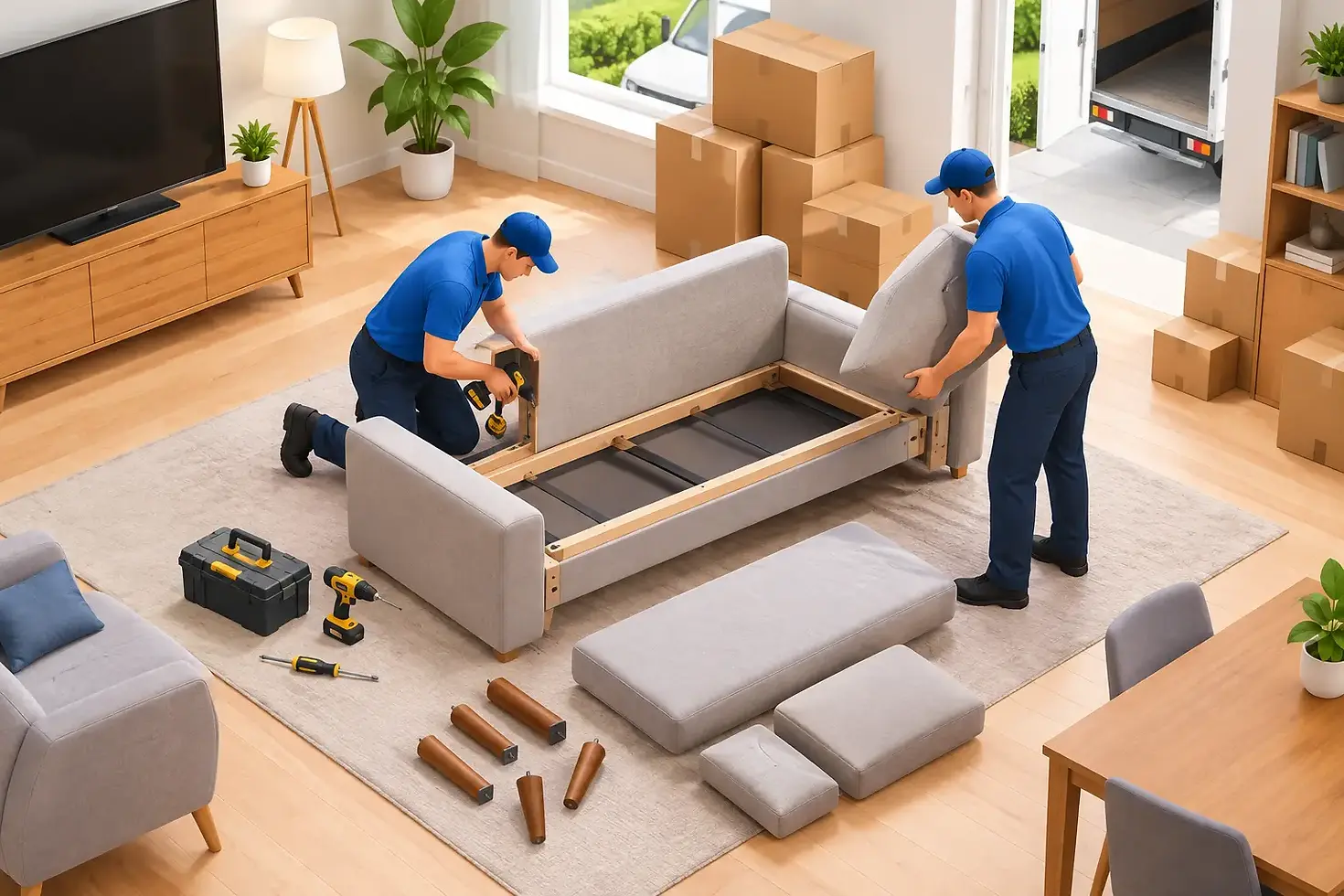
Professional removalists commonly dismantle standard household furniture when it is necessary for safe removal, transport or delivery. This can include bed frames, dining tables, desks, shelving units and some wardrobes. Taking an item apart can make it safer to carry, easier to protect in the truck and less likely to damage door frames, walls or the furniture itself.
However, dismantling is not automatically included with every moving package. Some removalists offer it as part of a full-service move, while others charge additional time or require it to be arranged in advance. The best approach is simple: tell your removalist exactly what needs attention when requesting a quote. Photos, dimensions and details about stairs, lifts or tight access help the team plan properly.
At Plan & Move, the focus is on taking the tough stuff off your hands. Clear information before moving day allows the crew to arrive with the right tools, enough time and a sensible plan for getting your belongings from A to B.
Which furniture is usually dismantled?
The practical rule is that furniture should only be dismantled when it improves safety or access. A solid timber table that fits easily through the front door may be safer left intact. A large flat-pack wardrobe that cannot turn the corner at the top of a Queenslander staircase is a different story.
Beds and bed frames
Bed frames are among the most common items to be dismantled. The headboard, footboard, side rails and centre supports can usually be separated so they can be wrapped and carried without scraping walls or straining the people moving them. Gas-lift storage beds, bunk beds and complex adjustable bases may take longer and should be mentioned during booking.
Mattresses generally travel whole. They can be protected with a mattress cover and carried on edge where access allows.
Tables, desks and workstations
Dining tables may need legs removed, particularly if they are oversized, fragile or moving through narrow hallways. Office desks and workstations are often dismantled for a commercial relocation because their panels, frames and cable-management parts are difficult to move as one piece.
Glass tabletops require special care. In some cases, the top is separated from the base and wrapped individually. This reduces the risk of pressure damage while loading and unloading.
Modular furniture and shelving
Modular lounges, shelving systems and some entertainment units can be separated into manageable sections. Flat-pack furniture is more complicated. While it may look easy to pull apart, repeatedly dismantling lower-quality particleboard pieces can weaken joints, chip surfaces or make reassembly difficult. A good removalist will assess whether taking it apart is worthwhile rather than forcing the issue.
Commercial furniture
Office relocations often involve more planning than a household move. Desks, boardroom tables, reception counters, filing systems and storage units may need staged dismantling so the business can keep operating until the final move window. If furniture is being reconfigured at the new premises, provide the new floor plan early. It helps the removal team load and deliver items in an order that supports a quicker setup.
What removalists may not dismantle
Removalists are skilled at moving furniture, but not every item should be treated as standard furniture assembly. Wall-mounted televisions, built-in cabinetry, electrical appliances requiring disconnection, plumbing fixtures and items fixed permanently to a wall generally need a qualified trade or specialist.
Antique, designer or highly delicate pieces also deserve a separate conversation. An heirloom cabinet with unusual fittings may be safer moved intact with extra protection. Likewise, furniture with hidden electrical components, integrated lighting or complicated mechanisms may need manufacturer guidance before anyone begins taking it apart.
If an item is damaged, unstable or already partially dismantled, let the removalist know. Honest information helps protect your belongings and allows the crew to make safe decisions on the day.
Dismantling versus leaving furniture intact
It is tempting to assume that dismantling every large item will make a move easier. Sometimes it does. Sometimes it creates more work, more loose components and a longer reassembly job at the other end.
Leaving furniture whole can be the better choice when it is sturdy, fits through access points and can be safely secured in the truck. It also means fewer screws, brackets and pieces to keep track of. Dismantling makes sense where access is tight, the item is heavy or awkward, or the risk of damage is higher when it remains assembled.
The decision should account for both properties. An item might leave your current home easily but be unable to enter the new apartment lift or fit through a narrow doorway. Share access details for pickup and delivery, including parking restrictions, stairs, lift bookings and long carrying distances from the truck. Those details are just as useful as the furniture dimensions.
How to prepare furniture for removalists
You do not need to turn moving day into a DIY assembly project. A little preparation, though, makes professional dismantling safer and faster.
First, empty drawers, cupboards and shelves unless your removalist has confirmed otherwise. Heavy contents can affect how an item is lifted, while loose objects may shift and cause damage. Remove personal valuables, paperwork and fragile décor yourself.
Next, take a few photos of furniture that will be dismantled, especially complex beds, desks and shelving. Photos are handy when it is time to reassemble the item in your new home. Keep instruction manuals, spare parts and any special Allen keys or hardware together in a labelled bag.
If you are dismantling something before the movers arrive, tape the labelled hardware bag securely to a protected part of the furniture or keep it in an essentials box that travels with you. Do not leave screws loose in drawers or on benchtops. Small parts disappear quickly during a busy move.
Finally, clear a path. Move pot plants, shoes, toys and boxes away from doorways, hallways and staircases. This protects everyone involved and gives the crew room to manoeuvre larger pieces without bumping into obstacles.
Will removalists reassemble furniture at the new property?
Reassembly is often available, particularly with full-service removal packages, but it should be confirmed before booking. The crew may rebuild furniture that they dismantled, provided all parts are present and the item can be safely assembled in its new location.
There are a few practical limits. Reassembly can take time, especially for large wardrobes, complex office workstations or furniture with missing instructions. If the new room has poor access, a low ceiling or an uneven floor, the final setup may need adjustment. For commercial moves, coordinating delivery and assembly around building access times is particularly important.
Tell the removalist where each item belongs before unloading begins. Clearly labelled rooms and a basic furniture plan can save a lot of shifting later. It is far easier to assemble a bed in the correct bedroom than move it through the house after it is rebuilt.
Questions to ask before booking
A quick conversation before moving day can prevent extra costs and delays. Ask whether dismantling and reassembly are included in your quote, which items the team is prepared to handle, and whether there is an additional labour charge. Confirm that the crew will bring suitable tools and ask what you need to do with drawers, shelves and loose hardware.
It is also wise to ask about protection for timber, glass and upholstered pieces, particularly if your move involves stairs, wet weather or long-distance transport. If you are moving an office, discuss timing, building rules and whether the team can work to a staged relocation schedule.
A smoother move starts with a clear plan
Furniture dismantling is not about taking every item apart. It is about choosing the safest, most efficient way to move what matters to you. Mention the bulky bed, the awkward desk and the tight stairwell when you request your quote, then let an experienced team plan the heavy lifting. You can chill out knowing your move has been thought through before the first box reaches the truck.



Comments